

How to Contact College Coaches the Right Way
Your recruiting journey starts with confident, professional communication. This post explains how to email coaches, what to say, when to follow up, and how to stand out on social media—without feeling overwhelmed.

Reaching out to college coaches can feel intimidating—but it shouldn’t. Coaches expect athletes to contact them. In fact, proactive communication is one of the biggest green flags a player can send. When done right, your outreach shows maturity, initiative, and genuine interest in their program.
But there’s a right way and a wrong way to do it.
Here’s how to make sure your messages get opened—and remembered.
Why Contacting Coaches Matters
College coaches can’t possibly watch every tournament, attend every showcase, or track every player. When you reach out, you’re helping them do their job by:
Introducing yourself
Putting yourself on their radar
Showing interest in their school
Inviting them to watch you play
Sharing your updated skills video
Reaching out doesn't annoy them—it informs them.
When to Start Contacting Coaches
A good guideline:
D1: Summer after sophomore year and beyond
D2, D3, NAIA, JUCO: Anytime in high school (freshman year is totally acceptable)
Even if they can’t reply yet, they can watch your film, follow your progress, and note your interest.
How to Contact College Coaches the Right Way
1. Start With Email (First Impression Matters)
Your first email should be:
Short
Clear
Personalized
Easy to scan
Professionally written
Use your email as your introduction, then follow with updates, tournament schedules, and videos.
Email Template: Initial Introduction
Copy, paste, adjust—simple as that:
Subject:
2027 SS/2B – [Your Name] – Interest in [College Name] Softball Program
Email Body:
Hi Coach [Last Name],
My name is [Your Name], and I’m a [Graduation Year] [Primary Position/Secondary Position] from [City/State]. I’m very interested in your program because [specific reason—make this personal and meaningful].
Here are a few quick details about me:
Travel Team:
GPA:
Key Stats:
Height/Weight (optional):
Skills Video: [link]
I’d love to stay on your radar and would appreciate any opportunity for evaluation. My upcoming schedule is below if you'd like to see me play:
[Insert dates/tournaments/locations]
Thank you for your time, and I hope to talk with you in the future.
Sincerely,
[Your Name]
[Phone Number]
[Email Address]
[Social Links (optional)]
Email Template: Follow-Up (Every 4–6 Weeks)
Subject:
Update from 2027 SS/2B [Your Name] – New Video & Upcoming Schedule
Hi Coach [Last Name],
I hope you're doing well. I wanted to send you a quick update. I’ve been working hard this month and recently [insert update: new PR, new video, award, academic improvement, etc.].
Here is my updated skills video:
[link]
My schedule for the next few weeks is below:
[list tournaments]
Thank you again for your time. I hope you can come watch me play soon.
Best,
[Name]
Email Template: After a Camp Visit
Hi Coach [Last Name],
Thank you for hosting such a great camp this weekend. I really enjoyed working with you and learning more about the program. I especially appreciated focusing on [specific drill or moment].
The camp made me even more excited about the possibility of playing for [School Name]. If there’s anything else you’d like from me, I’d be happy to send it.
Thanks again,
[Name]
2. Social Media Tips for Contacting Coaches
Social media isn’t a replacement for email—but it supplements your communication extremely well. Many coaches scout via Twitter/X and Instagram.
What to Post:
Skills videos
Game clips
Training reps
Academics (GPA updates, honors, etc.)
Tournament schedules
Photos of your team
What NOT to Post:
Drama
Complaints
Partying
Profanity
Anything you wouldn’t want on a scoreboard
DM Etiquette (If a Coach Follows You First):
Keep it short
Ask for the best email to send your info
Don’t spam messages
Sample DM:
"Hi Coach! Thanks for following. I’d love to send you my player info and video—what’s the best email for that?"
Done. Professional. Easy.
3. Timing: When to Reach Out and How Often
Best times to reach out:
Sunday evening
Monday–Wednesday mornings
After big tournaments
After posting a new video
After camps
How often to contact:
Every 4–6 weeks (normal updates)
Before big tournaments
After major improvements
After recruiting periods reopen
Consistency matters. Coaches keep notes on players who show long-term interest.
4. Etiquette Matters (More Than You Think)
Keep communication professional
This isn’t texting your best friend.
Use proper grammar
No “u,” “lol,” “k,” or emojis.
Always personalize your messages
If you copy/paste the SAME intro to every coach, they notice—instantly.
Keep parents out of the emails
Coaches want to hear from YOU.
Don’t take delayed responses personally
Recruiting is busy and heavily regulated.
5. Common Mistakes to Avoid
❌ Writing long, unorganized emails
❌ Forgetting your skills video or schedule
❌ Sending generic mass emails
❌ Reaching out with no real interest
❌ DM’ing multiple coaches from the same school
❌ Parents emailing on behalf of the player
❌ Not updating coaches regularly
❌ Waiting too long to start contacting programs
These are the things that get players overlooked.
Final Thoughts
Reaching out to college coaches doesn’t have to be stressful or complicated. It just takes:
Clear emails
Consistent updates
Professional communication
Smart timing
A polished social presence
When you communicate the right way, you show coaches you're serious about playing at the next level—and serious athletes get serious attention.

The Importance of Quality Skills Videos (and What Coaches Actually Want to See)
A well-made skills video helps college coaches evaluate your athlete quickly and clearly. Learn how to structure footage, use the right angles, and include the drills recruiters rely on most.
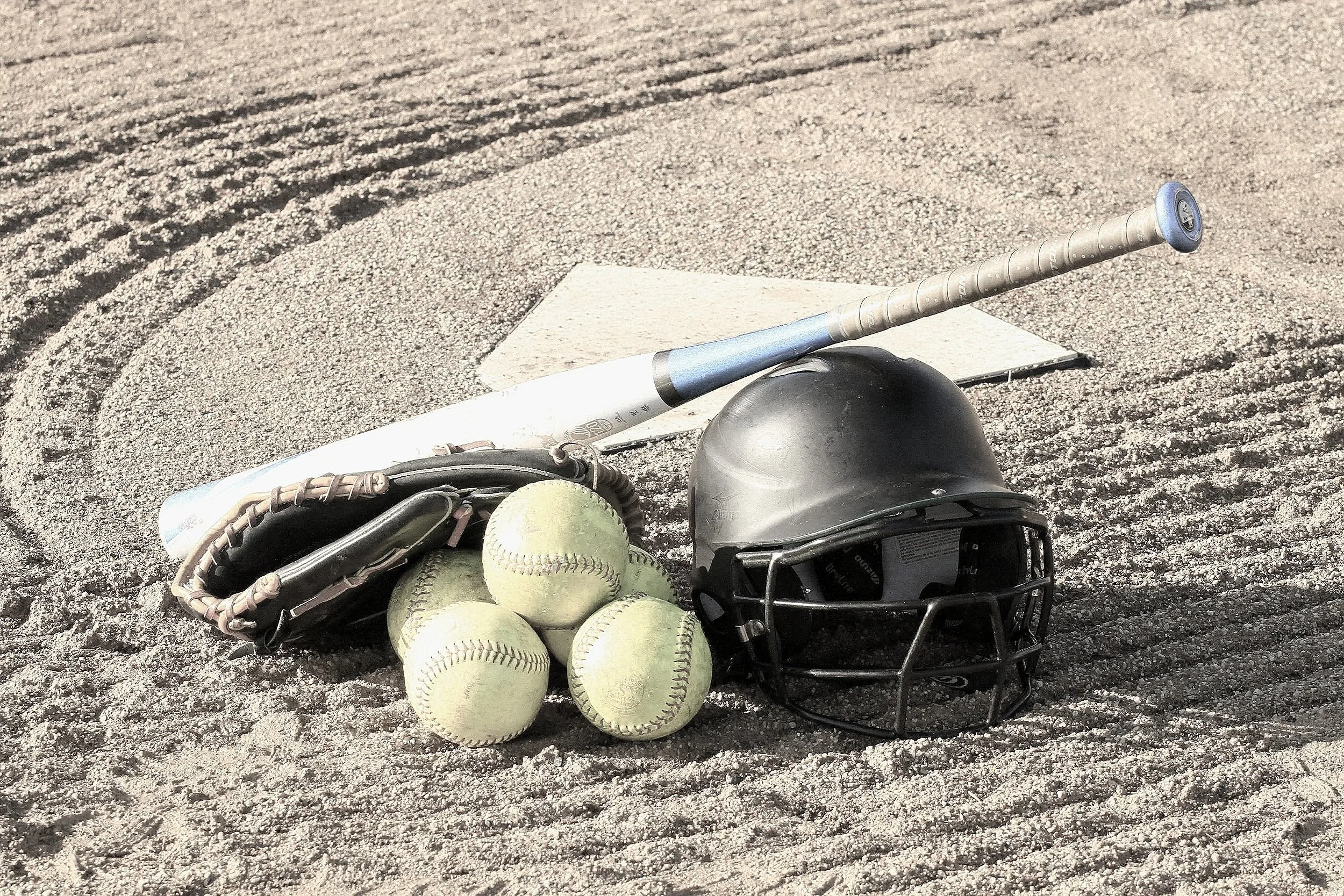
When it comes to college softball recruiting, one of the most powerful tools you can have isn’t a fancy website, a long resume, or a long string of tournament wins—it’s a high-quality skills video. For many coaches, your video is the first impression they get of you. It’s their introduction to your mechanics, your athleticism, and your potential fit within their program.
A great skills video doesn’t have to be flashy or expensive, but it must be clear, organized, and easy for coaches to evaluate. A well-built video can put you on the radar. A sloppy one can take you off it.
So let’s break down why skills videos matter and what coaches actually want to see.
Why Skills Videos Are So Important
College coaches can’t be everywhere. They can’t attend every tournament, every weekend, at every field. Skills videos give recruiters the ability to evaluate you anytime, anywhere—on their own schedule.
A great video helps coaches:
See your mechanics up close
Evaluate your athletic ability in real time
Determine whether to prioritize seeing you play in person
Compare you with other recruits
Share your footage with their staff
Your job is simple: make it as easy as possible for coaches to say, “Yep—let’s take a closer look.”
What Coaches Actually Want to See
Recruiters aren’t looking for hype music, slow-motion effects, or dramatic intros. They want clear, game-speed reps that show:
Mechanics
Consistency
Athleticism
Softball IQ
Footwork
Arm strength
Accuracy
Power and timing
The best skills videos show everything quickly and cleanly—no frills, no gimmicks.
How to Structure a Great Skills Video
A simple, coach-friendly structure goes a long way. Aim for 2–4 minutes max.
1. Start With a Quick Intro (5–8 seconds)
Include:
Full name
Graduation year
Positions
Height / weight (optional)
GPA (optional but helpful)
Contact info
Travel team & coach contact
Keep it simple, clean, and readable.
2. Hitting (Every Position)
Show:
Tee work (3–4 swings)
Front toss or machine (5–8 swings)
Live game clips (5–10 swings preferred)
Angles to use:
Behind the hitter (to show mechanics)
Open side view (to show hips/sequence)
Front view (optional)
Tips:
Use good lighting—face the sun or bright light
No shadows across the plate
No loud music (coaches want to hear contact)
3. Position-Specific Defensive Drills
Below is exactly what coaches want from each position.
Infielders (SS, 2B, 3B, 1B)
Drills to include:
Routine ground balls (5 reps)
Backhand (3 reps)
Forehand (3 reps)
Slow roller (3 reps)
Double-play flip & turn (3 reps)
Throw from deep position (SS or 3B)
Angles:
Behind fielder (shows footwork/angles)
Side angle (shows glove work)
Throwing angle (exaggerate ball flight)
Key things coaches look for:
Quick transfer
Clean glove work
Footwork rhythm
Arm strength
Accuracy
Game-speed execution
Outfielders
Drills to include:
Fly balls straight on
Fly balls left/right
Ground balls to glove side
Ground balls to backhand side
Crow-hop throws (3–5 throws to a target)
One strong throw home
Angles:
Behind OF (shows angles & footwork)
Side angle (shows crow hop mechanics)
What coaches want:
Aggressive routes
Clean transition into the throw
Long, strong throws
Balance and control after the catch
Pitchers
Drills to include:
Fastball (5–7 pitches)
Changeup (3–5 pitches)
Movement pitches (3–5 each pitch type)
Spin rate (optional if you have device footage)
Game clips are a huge bonus
Angles:
Behind pitcher (shows accuracy/movement)
Open side (mechanics/sequence)
Catcher view (for pitch break)
What coaches want to see:
Consistent release point
Ball movement
Mechanics and smooth motion
Command
Confidence in the circle
Catchers
Drills to include:
Receiving (framing)
Blocking left/right/middle
Quick transfer throws to 2B (3–5)
Throw to 3B and 1B
Bunt coverage (optional)
Angles:
Front angle (shows framing & blocking)
Side angle (shows footwork to throw)
Behind catcher (shows ball flight)
Coaches want:
Quick transition
Strong footwork
Pop time
Communication
Clean receiving and quiet glove
Slappers / Speed Athletes
Drills to include:
Soft slap (3 reps)
Hard slap (3 reps)
Drag bunt (3 reps)
Timed home-to-first
Footwork reps
Angles:
Side angle (shows footwork timing)
Behind angle (shows ball direction)
What coaches want:
Footspeed
Timing off the pitcher
Ball placement
Versatility
Lighting, Angles, and Technical Must-Dos
To stand out, your video needs to be clean and watchable:
1. Good Lighting
Face the natural light
Avoid harsh shadows
Shoot in early morning or late afternoon for best lighting
2. Stable Camera
Use a tripod or stable surface
Avoid zooming in/out
Keep the camera still
3. Clean Background
Avoid busy fields, people walking behind you, or loud distractions
Make sure the ball is easy to see in flight
4. Keep Clips Short
No long transitions
No slow motion except for one swing if necessary
Keep things sharp and fast-paced
5. Label sections for clarity
Use simple text like:
HITTING | SHORTSTOP DEFENSE | OUTFIELD THROWS | PITCHING – CURVEBALL
Final Thoughts
A high-quality skills video is your highlight reel, your introduction, and your chance to make a powerful first impression. You don’t need fancy equipment—just smart angles, good lighting, and game-speed reps that show exactly who you are as a player.
Put in the effort, keep it organized, and you’ll give college coaches exactly what they need to say:
“Let’s keep watching.”
How to Build a Softball Recruiting Profile That Gets Noticed
College coaches can’t recruit what they can’t see. Here’s how to market yourself—and what mistakes to avoid—to stand out in the softball recruiting process.
If you want to play softball at the next level, your recruiting profile is your digital first impression. Before a coach drives across states to watch you play—or even replies to your email—they’ll look at your profile. The better it communicates who you are as a player, the better your chances of landing on their recruiting board.
Think of it as your softball résumé: clear, complete, organized, and honest.
Here’s how to build one that coaches actually pay attention to.
1. Start With the Basics: Contact Info That’s Easy to Find
You’d be shocked how many profiles forget this part.
A coach should be able to reach you (and your parent) in one click.
Include:
Player Name
Graduation Year
Primary Positions
Phone Number (player & parent)
Email Address (professional/clean)
Home State/Region (so coaches know travel feasibility)
Travel Team Name + Coach Contact Info
Pro Tip: Use a simple email like averysmith2027softball@gmail.com—not something random.
2. Add Athlete Measurements and Verified Stats
Coaches want fast, scannable information. Put your core measurables at the top.
Include:
Height / Weight
Throws / Bats
Home-to-1B time
Home-to-Home or 20/40-yard dash
Overhand Velo
Pitching Velo (if applicable)
Exit Velocity
Pop Time (catchers)
Make sure these are:
Recent
Verified when possible (camps, showcases, Rapsodo/Blast, etc.)
Realistic—coaches can spot inflated stats instantly.
3. Showcase a Clean, Well-Organized Skills Video
Video is critical because many coaches watch film before deciding to visit a tournament.
A great video includes:
Intro slide with name, position, grad year
Offensive clips (tees, front toss, game swings)
Defensive clips—position-specific
Base running clips
Pitchers: spins, locations, each pitch type
Catchers: receiving, blocking, throwing, pop time
Tips:
Keep it under 3–4 minutes
Use good lighting (outdoors is perfect)
Make sure the camera is steady and close enough to show mechanics
Avoid music—coaches want clarity
Pro Tip: Pin your video at the top of your profile so it’s the first thing coaches see.
4. Highlight Your Academic Strengths
Academics are a bigger recruiting factor than most players realize.
Include:
Current GPA (weighted & unweighted if applicable)
Class Rank
Honors/AP/dual-credit courses
ACT/SAT scores (if taken)
Intended major(s)
Coaches love players who can get accepted easily, qualify for academic aid, and stay eligible.
5. Showcase Your Softball Resume
This is the heart of your profile—your softball story.
Include:
Primary & Secondary Positions
Travel/Club Team and organization history
High School Team Info
Key Stats (season & career)
Awards & Honors
Big Tournament Appearances
Leadership Roles (captain, volunteer work, etc.)
Focus on:
Facts over fluff
Specific accomplishments over general claims
Examples:
“Hit .412 with 18 extra-base hits in the 2025 travel season.”
“Led team in OBP (.505) during 2024 high school season.”
“2024 PGF Premier Qualifier – Starting SS.”
6. Add a Short, Professional Personal Statement
This is your chance to show personality.
Keep it to 3–5 sentences. Include:
Who you are
Your goals
Your work ethic
What you're looking for in a college program
Example:
“I’m a 2027 middle infielder who plays with speed, consistency, and leadership. I’m committed to improving every day on and off the field. I’m looking for a competitive program where I can grow as an athlete, teammate, and student pursuing a degree in biology.”
7. Include Updated Schedules and Social Links
Coaches need to know where they can see you.
Add:
Travel ball schedule
Upcoming tournaments
College camps you’re attending
Optional but helpful:
Instagram recruiting page
Twitter/X recruiting account
YouTube channel (for more videos)
8. Keep the Profile Updated Regularly
A recruiting profile is never “finished.”
Update it every:
2–3 months
After big tournaments
After new verified stats
After academic milestones
Example of a Strong Softball Recruiting Profile Layout
Name: Ava Johnson
Grad Year: 2027
Positions: SS / 2B
Throws/Bats: R/R
Location: Jackson, MS
Contact Info
Player: avajohnson2027!@gmail.com | 555-123-4567 (Use personal email, not high school email)
Parent: Sarah Johnson | 555-987-6543
Travel Coach: Mark Davis | Alabama Elite 16U | 555-555-2222
Athletic Measurements
Height: 5'6" • Weight: 135
Home-to-1B: 2.87
Exit Velocity: 68 mph
Overhand Velo: 62 mph
Skills Video
Link to 3:12 highlight video
Academic Info
GPA: 3.78 (honors)
Courses: Honors Bio, Pre-AP English, Algebra II
Intended Major: Nursing
Softball Resume
Magnolia Elite 16U – Starting SS
High School Varsity Starter (Freshman)
2024 Stats: .398 avg, .489 OBP, 22 SB
2024 PGF Premier – Qualified
2023 6A All-Area Honorable Mention
Personal Statement
“I am a hardworking middle infielder who plays fast, thinks fast, and loves competing. My goal is to play at the collegiate level while pursuing a nursing degree. I value coaches who push me to be better every day.”
Marketing Yourself: The Secret Weapon for Getting Noticed by College Softball Recruiters
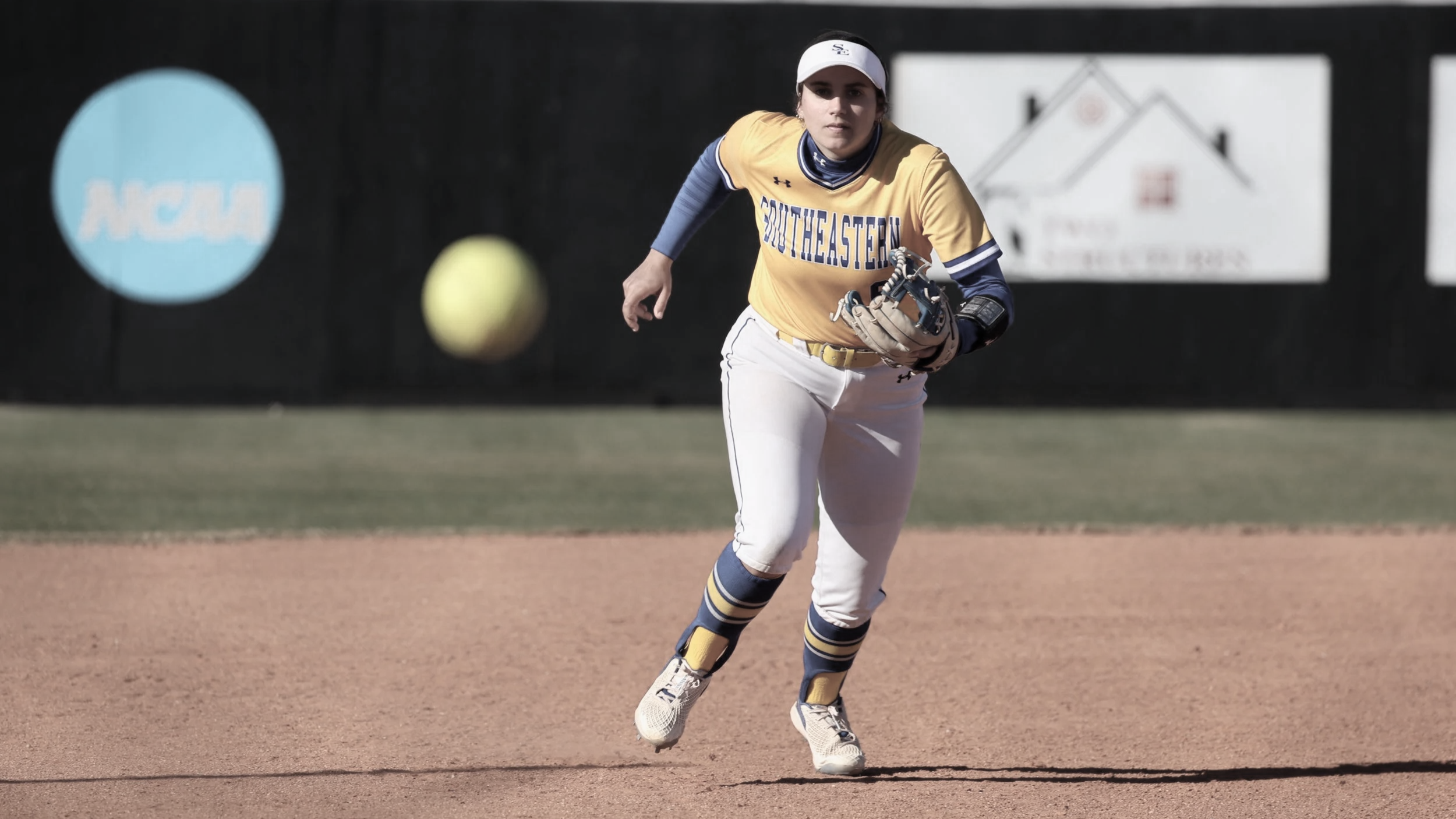
In today’s competitive softball world, talent alone isn’t enough to get you noticed—visibility matters just as much as velocity, power, or fielding percentage. Too many players assume that coaches will magically find them, when in reality, the athletes who get recruited are the ones who take control of their story and market themselves with purpose. From creating strong highlight videos to reaching out consistently to programs you love, building your personal “softball brand” is now a key part of the journey. In this blog, we break down why self-promotion is essential, the biggest mistakes players make when they skip it, and how you can make sure college recruiters see your hard work, your talent, and the future athlete you’re becoming.
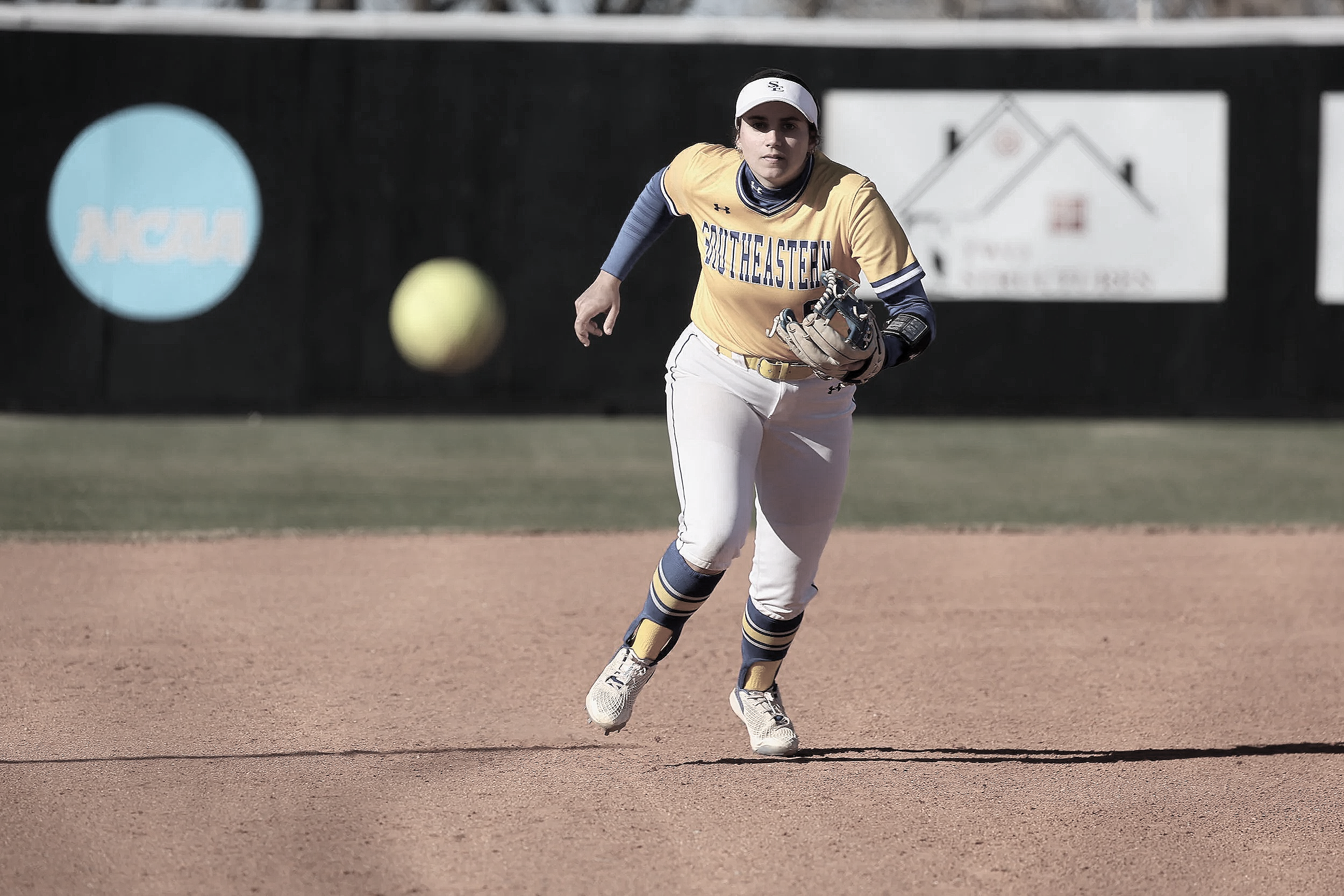
Channing - Southeastern Oklahoma State University
If you’ve stepped onto a softball field dreaming of playing at the next level, you already know the work doesn’t stop at hitting the cages or grinding through practices. The truth is, talent matters—but so does visibility. Today, marketing yourself isn’t extra. It’s essential.
And no, you don’t have to be an influencer or spend every weekend editing TikToks. You just need to take control of your story, showcase your abilities, and make sure college coaches can actually see you.
Why Marketing Yourself Matters
College coaches are busy. Their inboxes overflow, their recruiting windows are tight, and they can only attend so many tournaments. Waiting to be “discovered” is about as effective as hoping for a rainout when you’ve forgotten your cleats—possible, but not a strategy.
When you market yourself, you’re not bragging.
You’re helping coaches do their job.
You’re putting a spotlight on your hard work.
You’re making sure your future isn’t left up to luck.
The Biggest Mistakes Players Make When They Don’t Market Themselves
Even talented athletes fall into these traps—mistakes that can cost them real opportunities.
1. Assuming “If I’m good enough, they’ll find me.”
This is the biggest myth in recruiting.
There are thousands of players and only a limited number of college eyes.
Coaches miss good players all the time simply because they never saw them.
2. Relying only on showcases and tournaments
Showcases are great—but every player is trying to stand out at the same time.
If you don’t email coaches ahead of time, send updates, or follow up after events, you might just blend into the crowd.
3. Not having a highlight video (or having a bad one)
A shaky, three-minute clip of your mom filming from the bleachers is not enough.
Coaches need clear, game-speed reps and footage that shows:
Mechanics
Athleticism
Decision-making
Consistency
No video means no visibility.
4. Waiting too late to start
Players often think they have until junior or senior year.
In reality? Coaches are watching classes earlier than ever, and the athletes who start early stay ahead. Late starts add unnecessary pressure.
5. Sending generic emails to coaches
If your subject line looks like a mass message or you forgot to change the school name, coaches delete these instantly.
They want authentic interest, not copy-and-paste templates.
6. Ignoring academics
A coach won’t waste time on a player whose grades could block admissions.
Marketing yourself means marketing the whole package—athletics and academics.
7. Having an unprofessional social media presence
Like it or not, coaches check Instagram, TikTok, and X.
Posts with drama, negativity, or not-safe-for-recruiting content can sink your chances.
If you wouldn’t want it on a scoreboard, don’t post it.
8. Counting on your coach or organization to do all the work
Great coaches can help—but they can’t sell you harder than you sell yourself.
Recruiting is a player-driven process.
Your effort matters.
9. Not updating coaches regularly
If you only reach out once, they forget you.
Recruiting is relationship-building.
Send updates when you:
Improve stats
Play in tournaments
Achieve academic milestones
Release a new video
Consistency keeps you on their radar.
10. Letting fear or shyness keep you quiet
Some players worry they’re “bothering” coaches.
Trust me—they won’t think that.
Effort shows commitment, maturity, and confidence.
Coaches love that.
How to Build Your Softball Brand
A “brand” isn’t about being flashy—it’s about clarity, consistency, and showing who you are as both a player and a person.
Create a clean online profile
Build strong, simple highlight videos
Email coaches with purpose
Communicate your schedule
Stay focused on academics
Keep your social presence positive
Your brand is what people say about you when you’re not in the room—or not on the field. Make sure it says something you’re proud of.
Final Word: Own Your Journey
Playing college softball isn’t just about having the talent—it’s about making sure the right people see it. The recruiting process rewards players who put in the work, stay proactive, and tell their story with confidence.
Don’t leave your future up to luck, hope, or chance.
Market yourself.
Advocate for yourself.
Show coaches exactly why you belong at the next level.
Your dream is worth being seen.

The Grind of College Softball: What Every Freshman Needs to Know Before Stepping on the Field
Stepping into college softball as a freshman is more than just joining a new team — it’s entering a world where grit, discipline, and resilience define your success. In this blog, we break down the realities of the college softball grind and offer honest, actionable advice for incoming players. From early-morning lifts and long road trips to mental toughness and team chemistry, discover what it really takes to thrive at the next level — and how to show up ready on day one.
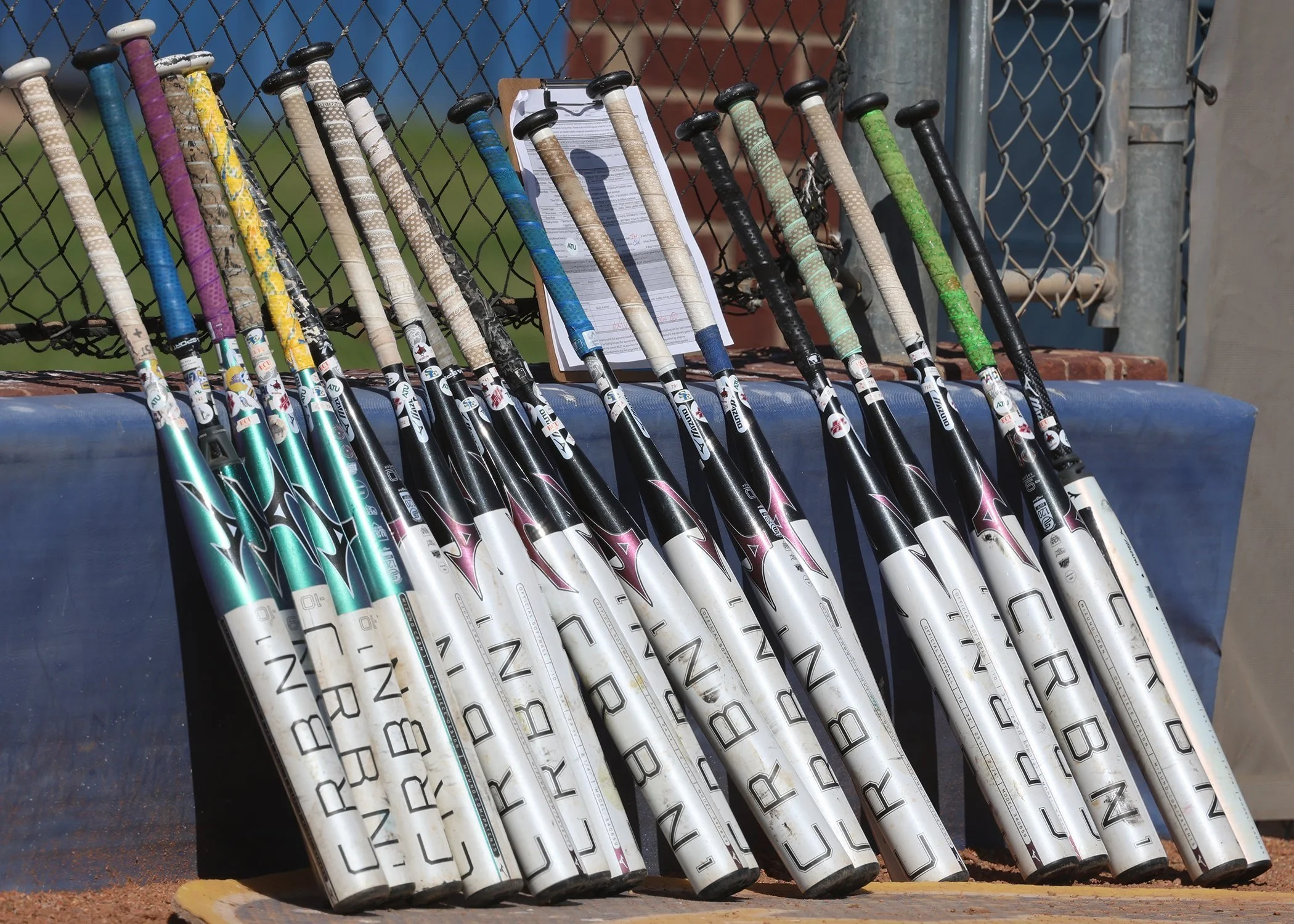
College softball isn’t just a game — it’s a lifestyle. It demands more than talent. It asks for grit, commitment, and a relentless drive to be better every day. For incoming freshmen, the transition can feel overwhelming: a new school, a faster pace of play, and expectations that come at you as fast as a rise ball high and inside. But for those who prepare — mentally, physically, and emotionally — it can also be one of the most rewarding experiences of their life.
Here’s what every high school standout should know before trading in their varsity jersey for college colors.
Understand the Grind Is Real
College softball is a year-round commitment. Fall ball, weight training, conditioning, team meetings, study halls, spring games, travel — your schedule will be packed. And unlike high school, you’re not the only all-star on the roster. Everyone was the best player on their previous team. Now, it’s about who works the hardest and adjusts the fastest.
What to expect:
6 a.m. lifts followed by class, then afternoon practice or scrimmages.
Long bus rides and late-night homework on road trips.
High expectations from coaches, teammates, and professors.
The grind is constant — but so is the growth.
Prepare Your Body
The physical jump from high school to college is massive. The game is faster, the players are stronger, and the demands on your body are higher. If you show up to campus out of shape, you’ll be playing catch-up all season.
Before you arrive:
Work with a trainer or follow a college-level strength and conditioning program.
Build endurance for long practices and double-headers.
Prioritize nutrition, sleep, and recovery just as much as reps in the cage.
You don’t have to be the strongest or fastest freshman — but you do need to show up ready to compete.
Master the Mental Game
College softball is as much mental as it is physical. You’ll fail more than you’re used to, and you’ll be pushed out of your comfort zone. Mental toughness is what separates players who survive from those who thrive.
Mental tips for freshmen:
Learn how to bounce back quickly from mistakes.
Don’t compare yourself to upperclassmen — run your own race.
Lean on teammates, coaches, and campus resources if you feel overwhelmed.
Confidence comes from preparation and perspective. Build both.
Be Coachable
Talent might get you noticed — but coachability gets you playing time. Come in with a willingness to learn, ask questions, and embrace feedback, even when it stings. Your coaches want to help you improve, not break you down.
Be the freshman who:
Shows up early and stays late.
Listens more than they talk.
Takes notes, studies the game, and takes pride in their role (whatever it is).
Respect is earned, not given. Earn it through effort and attitude.
Embrace the Team Culture
College softball teams often feel more like families — and like any family, you’ll find both challenges and support. Fit into the team dynamic by being positive, reliable, and drama-free.
How to plug in:
Ask teammates about team traditions and expectations.
Be a good roommate and teammate off the field.
Celebrate others' success as much as your own.
Your first year is about laying a foundation. Be someone your teammates trust and enjoy being around.
Study, Practice, and Focus
The grind of college softball will test you — but it will also shape you. You’ll learn to lead, to sacrifice, to fight for your spot, and to push your limits. You’ll create friendships and memories that last long after your final out.
So, incoming freshmen: prepare now. Train harder than ever. Study the game. Pack your resilience. And when you step on campus, show up ready to work.
Because in college softball, nothing is given — everything is earned.

Softball Dreams: 2025 Preparing for College Recruitment
Being recruited for college softball is a competitive process, but with the right preparation, you can turn your dream into reality.

For many young athletes, playing college softball is the ultimate dream. It’s a chance to continue your athletic journey, gain a quality education, and compete at a high level. However, the road to college recruitment requires preparation, dedication, and a strategic approach. Here’s your guide to preparing for the college softball recruitment process.
1. Start Early
Recruitment begins earlier than many athletes realize. College coaches often start scouting players in middle school or early high school. By the time you’re a junior, many rosters are already filling up. Begin building your softball skills, creating highlight reels, and attending showcases as early as possible.
2. Build a Strong Foundation
Your athletic ability is only part of the equation. Coaches look for well-rounded athletes who excel both on the field and in the classroom. Focus on:
Academic Excellence: Maintain a solid GPA and take challenging courses. NCAA eligibility requires specific academic standards, and strong grades make you more appealing to coaches.
Skill Development: Hone your fundamentals. Work on your hitting, pitching, fielding, and speed. A versatile skill set makes you stand out.
3. Create a Recruitment Profile
A professional-looking recruitment profile is crucial. Include:
Basic Information: Name, position(s), graduation year, and contact details.
Athletic Stats: Relevant metrics such as batting average, pitching speed, or sprint times.
Highlight Video: Showcase your skills with a concise, high-quality video. Include game footage and drills to give coaches a comprehensive view of your abilities. Yes, Varsity Pictures can help with a high-quality video.
Academic Info: GPA, test scores, and notable achievements.
Create a YouTube Channel: Upload your videos to your channel.
4. Attend Camps and Showcases: A lot of Camps
College softball camps and showcases are prime opportunities to display your skills. Research which events your target schools are attending and register early. During these events:
Be proactive in introducing yourself to coaches.
Ask for feedback on your performance.
Stay composed and confident, even under pressure.
Be the last to leave. Often players jump in the car to get home but it’s a great time to talk to the coaches.
5. Research Potential Schools:
Make a list of colleges that align with your academic, athletic, and personal goals. Consider factors like location, division level, and team culture. Reach out to coaches with personalized emails expressing your interest in their program. Include your recruitment profile and highlight why you’d be a good fit.
6. Network and Build Relationships
Softball is a small world, and relationships matter. Connect with your current coaches, teammates, and alumni who have played at the college level. They can offer valuable insights and potentially recommend you to college coaches.
7. Stay Persistent
Recruitment can be a challenging process with its share of setbacks. If you don’t receive immediate responses from coaches, don’t be discouraged. Continue improving your skills, attending events, and reaching out to schools. Persistence and determination often pay off.
8. Understand NCAA Rules
Familiarize yourself with NCAA recruitment regulations. These rules dictate when and how coaches can contact you, as well as guidelines for official and unofficial visits. Staying informed ensures you navigate the process correctly.
9. Maintain a Positive Online Presence
Your social media profiles are part of your personal brand. Coaches often review players' online presence to ensure they align with the team’s values. Keep your profiles clean, positive, and focused on your athletic and academic achievements.
10. Prepare for Life as a College Athlete
College softball is a significant commitment that requires time management, resilience, and a passion for the game. Prepare yourself mentally and physically for the demands of balancing academics and athletics.
11. Register with the NCAA for Eligibility
Being prepared when that offer comes can relieve some last-minute stress. If you make a roster at a D1 or DII program you will need to register with the NCAA.
https://www.ncaa.org/sports/2014/10/24/how-to-register.aspx
Final Thoughts
Being recruited for college softball is a competitive process, but with the right preparation, you can turn your dream into reality. Although you may have goals to play with a DI program, don’t overlook DII, DIII, NAIA, or Juco programs. There are great coaches and competition at every level. Depending on the college, your position(s) may be filled during your graduation year. Stay focused on your goals, work hard, and take proactive steps to showcase your talent. Remember, the journey is as rewarding as the destination. Play hard, stay humble, and embrace every opportunity to grow both on and off the field.

Fueling Your Game!
The Mississippi Softball Player's Guide to Healthy Meals and a Strong Mind in the New Year

As we step into the New Year, softball players everywhere are gearing up for a season of challenges, triumphs, and growth. To maximize your performance on the field, it's crucial to prioritize not only physical training but also nourishment for both body and mind. And we know being from Mississippi the challenge of passing up “seconds” on that bowl of gumbo, buttery dessert and washed down with sweet tea can be difficult. Let's explore why healthy meals and a strong mental game are the winning combination you need for a successful Mississippi softball season.
1. The Power of Nutrition: Fueling Your Body for Peak Performance
Softball demands a combination of strength, speed, and agility. Unless you live under Yazoo clay you know that what you put into your body directly impacts your ability to meet these demands head-on. Incorporating nutrient-dense meals into your diet provides the energy and endurance required for those extra innings and intense training sessions.
Key Nutrients for Softball Players:
Protein: Repairs and builds muscles, aiding in recovery.
Carbohydrates: The primary energy source for quick bursts of power.
Healthy Fats: Sustain energy levels and support overall health.
Hydration: Critical for optimal performance and recovery.
Consider a meal plan that includes lean proteins like grilled chicken (yeah, I had to look up what it was too), complex carbohydrates such as sweet potatoes (without the marshmallows and butter crust), and a variety of colorful vegetables. Hydration is equally essential, so keep a water bottle on hand at all times to maintain peak performance. This doesn’t include the those teas from your local Nutrition place.
2. A Healthy Mind, A Winning Game
Softball is not just a physical game; it's a mental one too. A strong, focused mind can be the difference between a routine play and a game-changing moment. As you set your New Year's resolutions, make mental well-being a priority.
Strategies for Mental Wellness:
Visualization: Envision success on the field to build confidence.
Mindfulness: Incorporate meditation or deep breathing exercises into your routine.
Goal Setting: Establish realistic, achievable goals to track your progress.
Positive Self-Talk: Replace doubts with affirmations to boost confidence. My daughter laughs when I walk into a meeting saying out loud “I like myself, I like myself”. Use whatever works!
Consider integrating mindfulness practices into your daily routine. Whether it's a few minutes of meditation before practice or visualization exercises before a game, these habits can enhance focus and composure, contributing to a more resilient and mentally tough athlete. Successful pitchers visualize hitting a section of a plate before they even release the ball.
3. Balancing Act: Harmonizing Nutrition and Mindfulness
To achieve peak performance, the key lies in harmonizing both physical and mental wellness. Your body and mind work in tandem, and when one is neglected, the other may suffer. A balanced approach to nutrition and mental well-being ensures that you're ready to face the challenges that each game brings.
Tips for a Balanced Approach:
Meal Planning: Prepare nutritious meals ahead of time to avoid last-minute unhealthy choices.
Rest and Recovery: Prioritize sleep and rest days to allow your body and mind to recharge.
Seek Support: Whether it's from a coach, teammate, or mental health professional, don't hesitate to seek guidance and support.
As you step onto that Mississippi softball field in Brandon, Madison, Pearl, Jackson, Clinton, Flowood, Richland or your home turf in the New Year, remember that achieving peak performance is a holistic journey. By fueling your body with nutrient-rich meals and nurturing your mind with positive practices, you're not only preparing for success on the field but also setting the stage for a healthier, more balanced lifestyle. Here's to a season of growth, resilience, and the perfect home run – both on and off the diamond!

Softball Workouts Between Seasons.
The off-season is the perfect time to address challenges.

Now that the final out is recorded, workouts are an important bridge between one season to the next. Softball is a sport that requires a combination of mental toughness and physical abilities. Now is a great time to focus on new goals and work on weaknesses to be successful when the next season begins. It’s true that success happens during the off-season when no one is watching.
Successful softball players have a passion for the sport while still able to enjoy the routine of workouts. It’s important during this time to stay motivated and set goals.
Fitness:
Softball is demanding and at times unforgiving. It requires conditioning, strength, and flexibility. My daughter worked hard at the gym during the off-season and when the season started, she was not starting from scratch. More importantly, exercise helps prevent injuries allowing players to enjoy the start of the season rather than sitting on the bench nursing sore muscles or injuries.
Building Skill:
Softball requires a set of skills that regress when there is inactivity. From throwing, hitting, pitching, and running, softball workouts sharpen skills, endurance, and confidence.
Working on Weaknesses:
The off-season is the perfect time to address challenges. Now is the time to alter your batting stance, work on strengthening for power, refine pitch delivery, or focus on speed and agility. This targeted approach helps to be a well-rounded player while enhancing your overall performance.
Mental Toughness:
Softball workouts demand dedication and discipline. Physical fitness is closely linked to mental well-being. Off-season training helps players stay focused and cultivates a strong mental attitude. And during a long season when your body wears down your mind gives you the will to perform when it matters most.
From softball skill refinement and injury prevention to mental preparation, the off-season is a time to lay the foundation for success for the upcoming schedule. Players who recognize the importance of staying motivated in their training during the off-season are more likely to experience success and get noticed by a college recruiter in the sport they love.

Looking Ahead: 2024 Softball College Recruiting in Mississippi
2024 Softball College Recruiting in Mississippi
With 2023 coming to a close, it's time to look ahead to what the year 2024 has in store for softball college recruiting in the state of Mississippi. Mississippi has a storied history of producing exceptional softball talent, and the coming year is expected to be no different. The recruitment process promises exciting opportunities for young athletes eager to pursue their dreams of playing college softball. In this blog, we'll explore what the future holds for softball recruiting in the Magnolia State.
A Continued Tradition of Excellence
Mississippi's softball legacy is built on a foundation of hard work, dedication, and a passion for the sport. Over the years, the state has consistently churned out high-caliber athletes who have gone on to make a significant impact at the collegiate level. This rich tradition is a testament to the talent and determination of Mississippi's softball community.
Top High School Talent
One of the primary sources of college softball talent in Mississippi remains the state's high school programs. The coming year promises a fresh batch of young, promising athletes who are poised to shine on the diamond. College recruiters from across the region will undoubtedly keep a close watch on these talented high school players.
In 2024, Mississippi's high school softball scene is expected to be highly competitive. Especially now that the 7A Divisions are introduced and realigned. The state boasts several programs with strong traditions and a history of success, providing fertile ground for recruiting opportunities. Talented players will have the chance to showcase their skills and catch the eye of college coaches.
The Role of Club Softball
Club or travel softball has become increasingly influential in the recruitment process, offering players a platform to compete at a national level. Mississippi's club softball teams provide valuable exposure for young athletes, giving them the opportunity to display their talents to college coaches at prestigious showcases and tournaments.
In the upcoming year, club softball is set to continue playing a crucial role in the development and recruitment of Mississippi's softball prospects. Players who excel in these programs often find themselves on the radar of college recruiters, opening doors to collegiate opportunities.
Navigating the Recruitment Journey
The college softball recruitment process is a multifaceted and competitive endeavor. Student-athletes must balance their academic responsibilities with their athletic pursuits while navigating the intricacies of the recruitment landscape. Proactive steps such as reaching out to colleges, participating in showcases, maintaining strong academic records, and understanding NCAA eligibility requirements are essential for aspiring collegiate softball players.
Conclusion
As 2024 approaches, the future of softball college recruiting in Mississippi is filled with promise. The state's enduring tradition of producing top-tier talent, coupled with the continued growth of club softball, sets the stage for another exciting year in the world of recruitment.
Young athletes with dreams of playing college softball in Mississippi should approach the recruitment process with determination, dedication, and a commitment to excellence. Seeking guidance from coaches, mentors, and recruiting experts will be invaluable on the journey toward achieving their goals. The year 2024 holds great potential for Mississippi's softball community, as it continues to produce exceptional athletes who will carry the state's legacy of success forward onto the college stage.